
North Indian Ghar Ka Swaad in Jaipur: The Truth About Slow Simmering & Homestyle Cooking
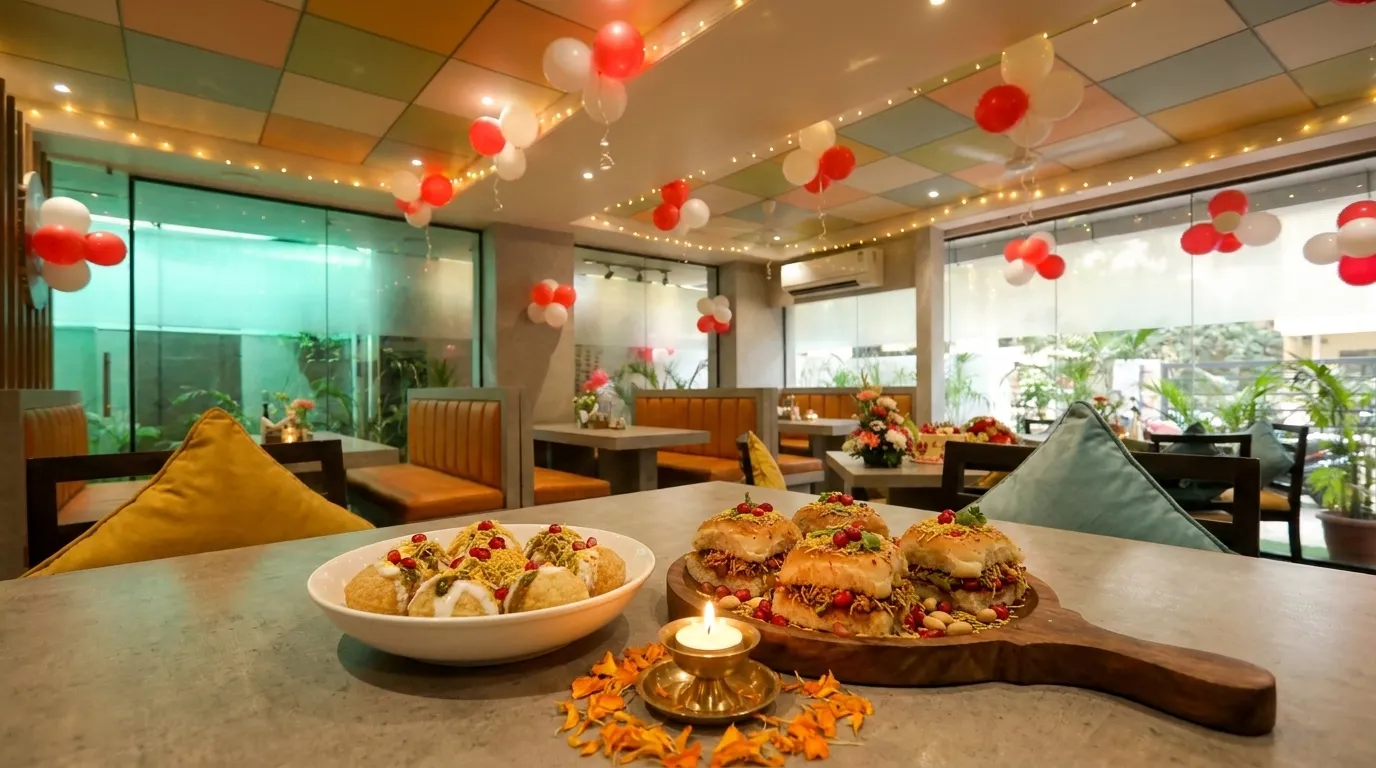
True North Indian ghar ka swaad relies on fresh onion-tomato reduction, cold-pressed oils, unadulterated whole spices, and hand-curdled paneer rather than heavy commercial base gravies. At An's Kitchen in Lal Kothi, we prepare homestyle meals that nourish the body without post-meal fatigue.
1. Why Commercial Restaurant Gravy Is Not Ghar Ka Swaad
Nine times out of ten, when someone in Jaipur orders North Indian food at a casual restaurant, they leave the table feeling heavy, thirsty, and slightly regretful two hours later. That familiar sensation is not because North Indian cuisine is inherently difficult to digest. It happens because commercial dining has quietly swapped honest kitchen recipes for industrial shortcut bases.
In standard commercial operations, kitchen teams prepare fifty liters of a single yellow or orange master paste on Monday morning. To keep production fast, this paste is thickened with boiled melon seeds, commercial cashew paste, and substantial quantities of palm oil. When an order for Shahi Paneer, Kadhai Paneer, or Mixed Veg comes into the pass, the cook ladles out the exact same base, splashes in synthetic orange food coloring, adds heavy commercial cream, and calls it a dish.
I reckon that is the exact opposite of what our mothers and grandmothers meant by ghar ka swaad. Homestyle cooking is unhurried. It respects the individual flavor of each vegetable, balances ground coriander with digestive asafetida, and leaves you feeling revitalized rather than needing an immediate afternoon nap.
2. The Three Pillars of Honest North Indian Cooking
When we opened our boutique cafe doors in Lal Kothi near Vidhan Sabha in 2016, our culinary charter was straightforward: if a recipe cannot be served with pride to our own family on a Sunday afternoon, it does not belong on our cafe dining menu. Achieving clean homestyle flavor comes down to three foundational kitchen practices:
Pillar 1: The Three-Hour Fresh Tomato Reduction
Real gravy body comes from ripe desi tomatoes cooked down until the water evaporates and the natural pectin forms a glossy, concentrated base. We never use canned tomato purée or artificial red dyes. By cooking our fresh tomatoes slowly with whole bay leaves, black cardamom, and ginger juliennes, the natural tang balances without demanding heaps of refined white sugar.
Pillar 2: Fresh Dairy & Hand-Curdled Malai Paneer
Most commercial paneer sold in bulk contains starch extenders or vegetable fats to increase shelf life. In our kitchen, we source fresh full-cream milk daily. The paneer is soft, spongy, and absorbs gravy juices naturally. When you bite into our Kadhai Paneer or Desi Paneer tawa masala, you taste dairy sweetness, not rubbery texture.
Pillar 3: Pure Chakki Atta Tawa Rotis
A great curry without an honest roti is an unfinished conversation. Commercial kitchens favor tandoori naans because refined maida dough stretches cheaply and cooks in ninety seconds. But for daily nourishment, tawa-roasted whole-wheat rotis made on iron pans remain unbeatable. Our rotis are hand-rolled, puffed over open flame, and brushed with pure desi ghee on request.
3. Breakdown: Commercial Gravy Shortcuts vs. Kitchen Craft
To understand why honest preparation makes such a pronounced difference to your digestion and palate, here is a transparent look at standard restaurant practices versus our kitchen protocol:
| Culinary Aspect | Standard Commercial Restaurant | An's Kitchen Homestyle Craft |
|---|---|---|
| Cooking Fat | Reused palm oil or hydrogenated fats | Cold-pressed mustard oil, desi ghee & fresh butter |
| Thickening Agents | Cornstarch, potato starch & melon seed paste | Natural tomato reduction & slow-caramelized onions |
| Coloring | Synthetic red/yellow food dye powders | Pure Degi mirch, Kashmiri chili & turmeric root |
| Roti Dough | High maida blend for tandoor speed | 100% whole-wheat chakki atta roasted on iron tawa |
| Digestion Factor | High acidity and sluggishness | Light, clean, and balanced with digestive spices |
4. Homestyle Comfort Favorites at Our Lal Kothi Pass
While our boutique kitchen is widely celebrated across Jaipur for stone-baked thin crust pizzas and fresh durum wheat pastas, our North Indian comfort offerings remain the soul of our afternoon tables and celebration party packages:
- Dal Makhani (Slow-Simmered for 18 Hours): Whole black urad lentils and kidney beans simmered overnight over slow coals, finished with a whisper of white butter, ginger shreds, and fresh cream. Rich without being cloying.
- Desi Paneer Bhurji & Kadhai Paneer: Fresh paneer cubes tossed with crushed coriander seeds, bell peppers, fresh green chilies, and ripe tomato reduction.
- Chole Bhature & Pav Bhaji: Prepared with house-blended spices according to strict FSSAI food hygiene standards, featuring fluffy bhaturas that never leave grease marks on your napkin.
- Matar Mushroom & Seasonal Sabzi: Crisp garden vegetables cooked in light cumin-ginger gravy, allowing the natural sweetness of fresh produce to shine through.
5. Why Digestive Spices and Clean Snacking Matter
In classical Indian dietetics, every meal is designed to balance the digestive fire. We incorporate digestive herbs like carom seeds (ajwain), asafoetida (hing), and dry ginger into our curries to ensure smooth digestion.
This same culinary philosophy inspired our signature artisanal snack: An's Kitchen Neem Sticks. Unlike traditional market namkeens fried from dough steeped in palm oil, our Neem Sticks are prepared with dough crafted entirely without ghee or oil, infused with fresh neem leaves and digestive herbs. They offer the ideal crunchy accompaniment to afternoon tea or a post-meal conversation at our cafe.
Whether you are planning a family birthday lunch on our birthday party booking desk, hosting a quiet kitty gathering, or simply craving clean comfort food on a Tuesday afternoon, good food should make you feel cared for.
Experience Real Ghar Ka Swaad in Lal Kothi
Reserve a cozy table or explore our curated pure vegetarian dining packages starting at ₹400 per guest.
Explore Dining & Party Packages →Frequently Asked Questions
What does ghar ka swaad mean in commercial restaurant dining?
Ghar ka swaad means preparing food with the same integrity as a home kitchen: small-batch gravies made without artificial color or cornstarch, fresh hand-curdled paneer, whole spice tadkas, and light tawa rotis that leave you refreshed rather than sluggish.
Why do typical restaurant curries cause acidity compared to homestyle gravies?
Most commercial kitchens use generic base gravy paste loaded with palm oil, stale cashews, artificial tomato dyes, and chemical tenderizers. Real homestyle gravies rely on fresh tomato reduction, gentle onion caramelization, and digestive spices like hing and roasted cumin.
Does An's Kitchen serve North Indian meals for lunch and dinner?
Yes, our Lal Kothi cafe prepares fresh North Indian specialties daily from 11:00 AM to 10:30 PM, available for dine-in, takeaway, and included in our celebration party packages.
Are your tawa rotis prepared with pure wheat flour without maida?
100 percent. Our tawa rotis and parathas use freshly milled whole-wheat chakki atta with zero refined flour blending, brushed with pure desi ghee on request.
Next time you find yourself near Vidhan Sabha in Lal Kothi, pull up a chair at An's Kitchen. Order a warm plate of slow-cooked dal, a basket of hot tawa rotis, and taste the quiet difference that real kitchen patience makes.